

Strategies for Environmental Control of Cross-Border Travel and Imported Infectious Diseases
- Addtime: 2026-03-24 / View: 6
After addressing the abstract challenge of “unknown pathogens”, we now turn our attention to a concrete and urgent practical battlefield: the prevention and control of cross-border travel and imported infectious diseases amid globalization. International airports, cross-border trains, ocean-going cargo ships, quarantine hotels… These nodes form the “expressway” for the transnational spread of pathogens. As disinfection professionals, your battlefield is expanding from relatively controllable medical institutions to these complex, open, and highly mobile “first lines of national border defense”. Today, we will learn how to build an accurate, efficient, and humanized environmental infection control chain in these special scenarios, ensuring unimpeded international exchanges while reinforcing the “moat” of local public health.
I. Core Concepts: Environmental Disinfection from “Static Prevention” to “Dynamic Tracking”
The core contradiction in the environmental control of imported infectious diseases lies in the conflict between the “dynamic import of pathogens” and the “static treatment of the environment”. The traditional terminal disinfection model (post-event treatment) is lagging and passive in this scenario. We must establish a dynamic response system of “prediction-early warning-pre-disposal”.
Its core concepts include three shifts:
Shift in Target: From “environments with confirmed contamination” to “environments with high risk of exposure”.
Shift in Timing: From “post-event disposal” to “pre-event intervention” and “in-event reinforcement”.
Shift in Strategy: From “indiscriminate comprehensive disinfection” to “targeted disinfection based on exposure risk assessment”.
II. Construction of the “Environmental Control Chain” for Key Scenarios
Scenario 1: International Transportation Hubs (Airports, Ports)
This is the first amplifier of import risks, characterized by vast spaces, dense passenger flow, and short stay duration.
Risk Identification:
1.High-frequency contact surfaces: Check-in counters, self-service equipment, security trays, waiting chair armrests, boarding bridge buttons, restroom door handles.
2.Air transmission risk points: Border inspection counters, waiting areas, shuttle buses.
3.Direct contaminant exposure points: Emergency disposal areas for suspected vomit and secretions.
Control Strategies:
1.Graded and zoned management: Divide into “extremely high-risk areas” (e.g., dedicated passages for key flights, observation rooms), “high-risk areas” (restrooms, security areas), and “general risk areas” (commercial zones), matching different disinfection frequencies and intensities.
2.Revolution in disinfection frequency: Implement “disinfection after each passenger” or “regular frequent wiping” (e.g., every 30-60 minutes) for high-frequency contact surfaces in extremely high-risk areas, instead of traditional multiple daily disinfections.
3.Technological empowerment: Promote the use of “antimicrobial coatings” (verified effective and safe) on surfaces difficult for frequent disinfection; deploy real-time air disinfection and purification devices in enclosed spaces (e.g., shuttle buses, border inspection halls).
4.Special waste management: Garbage from international flights and quarantine waste must be treated as medical waste, strictly sealed and disinfected before disposal.
Scenario 2: Cross-Border Transportation Vehicles (Airplanes, Trains, Ships)
This is a mobile “mini community” with enclosed spaces, numerous shared systems, and long passenger exposure time.
Risk Identification:
1.Inside cabins/compartments: Tray tables, seat armrests, entertainment system screens, overhead air vents, restrooms.
2.Shared system risks: Efficiency of aircraft recirculated air filters, train restroom vacuum toilet systems, ship central air conditioning ducts.
3.Sewage discharge: Untreated discharge of ship ballast water and vehicle sewage may cause pollution to nearshore waters.
Control Strategies:
♠Depth and breadth of terminal disinfection: After carrying suspected cases or operating key routes, disinfection must cover all potentially contaminated surfaces, with special attention to air filtration system disinfection and filter replacement.
♠In-process reinforcement: Provide disinfection wipes to passengers during long-distance travel to encourage wiping of personal small contact areas. Increase the frequency of restroom cleaning and disinfection.
♠Emergency sewage treatment protocols: Formulate emergency procedures prohibiting direct discharge of suspected contaminated sewage from vehicles while docked/stationed.
Scenario 3: Quarantine Observation Facilities (Quarantine Hotels, Centralized Isolation Sites)
This is a critical buffer zone for risks transitioning from “import” to “potential local transmission”; poor management can easily lead to clustered outbreaks.
Risk Identification:
1.Inside rooms: Telephones, remote controls, switches, faucets, door handles, restroom facilities.
2.Public areas: Meal delivery passages, garbage collection points, elevators, septic tank vents.
3.Personnel movement routes: Cross paths of staff responsible for meal delivery, cleaning, medical monitoring, and garbage removal.
Control Strategies:
♥Mandatory movement routes from “clean to contaminated”: Strictly design staff entry and exit passages, distinguish clean areas, buffer zones, and contaminated areas with physical isolation to avoid crossing.
♥Unidirectional flow of supplies: All items delivered to rooms (meals, daily necessities) shall not be recycled in reverse in principle. All garbage shall be regarded as medical waste, strictly packaged and disinfected before disposal.
♥Independent or closed ventilation systems: Ensure independent ventilation for isolation rooms, or close central air conditioning return air and operate with fresh air only. Keep restroom exhaust fans running continuously.
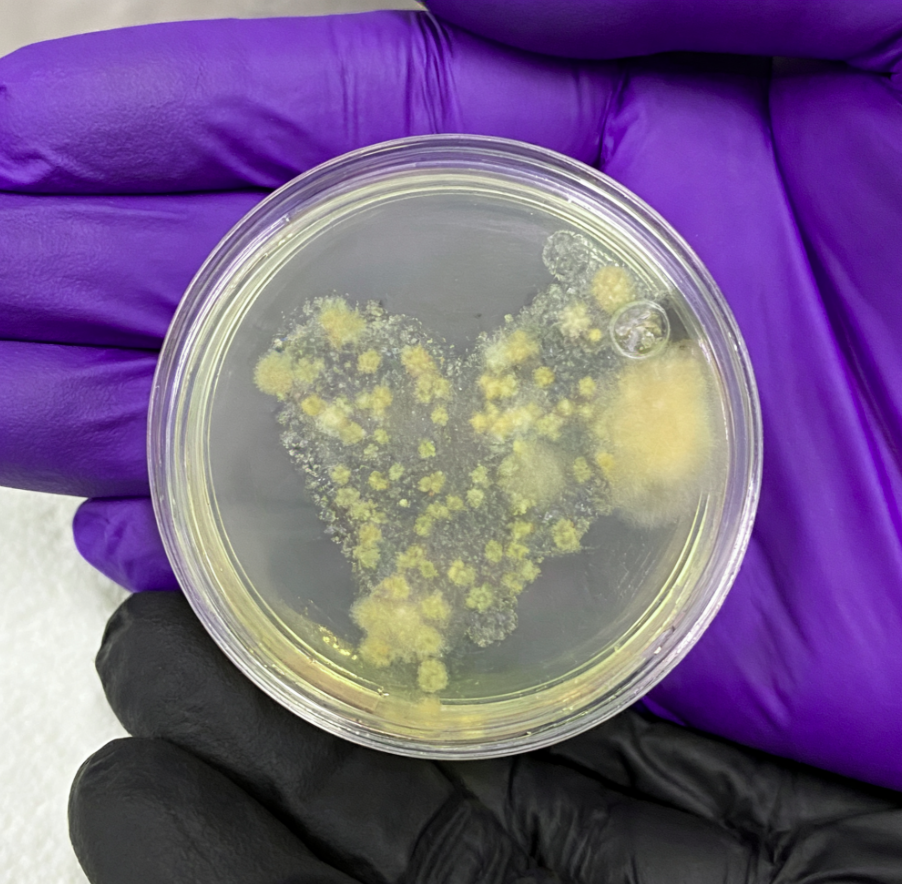
♥Environmental monitoring and early warning: Regularly conduct pathogen monitoring on high-frequency contact surfaces in public areas and septic tank wastewater as early warning indicators.
III. Practical Drill: Terminal Disposal of a “Epidemic-Related Flight”
Scenario: On a flight arriving from Location A (an infectious disease epidemic area), 3 passengers reported fever symptoms during the flight. The flight has docked at a remote stand. As the person in charge of the airport disinfection disposal team, you need to complete terminal disinfection of the aircraft after passengers disembark and are transferred to ensure its safe subsequent use.
Your Action Checklist Drill:
1.Intelligence and Preparation (30 minutes):
→Immediately obtain the seat numbers of the 3 symptomatic passengers and the seats in the front and rear rows (“close-contact seat area”).
→Determine the disinfection plan based on the known characteristics of the epidemic pathogen in Location A (assumed to be a respiratory virus sensitive to chlorine-containing disinfectants and ultraviolet rays): Use 1000mg/L chlorine-containing disinfectant for surface disinfection and hydrogen peroxide aerosol disinfection for air.
→Inspect and wear medical protective masks, goggles, disposable protective clothing, gloves, and shoe covers.
2.Zoned Disposal Procedures:
Step 1: Reinforced disinfection of key areas. Conduct the first round of reinforced wiping and disinfection on all surfaces (seats, tray tables, storage cabinets, full restroom) in the “close-contact seat area” and adjacent restrooms.
Step 2: Surface disinfection of the entire cabin. Systematically wipe and disinfect all high-frequency and potential contact surfaces in all passenger cabins, galleys, and restrooms from the rear to the front of the aircraft.
Step 3: Disinfection of air and ventilation systems. Close cabin doors, conduct hydrogen peroxide aerosol disinfection for the entire cabin with intelligent atomization equipment for the specified action time. Meanwhile, spray disinfectant on recirculated air filters or replace them as required.
Step 4: Sewage and garbage treatment. Treat all onboard garbage as medical waste. Add disinfectant to restroom sewage.
3.Effect Verification and Release:
Fully ventilate after disinfection completion.
Conduct ATP bioluminescence detection on surfaces in the “close-contact seat area” and randomly selected other areas to verify cleaning and disinfection effects.
Archive all process records to form a traceable report.
IV. Extended Thinking: Building a “Peacetime-Wartime Integrated” National Border Biosecurity Barrier
Faced with the regular pressure of global disease import, our goal is to build a resilient system:
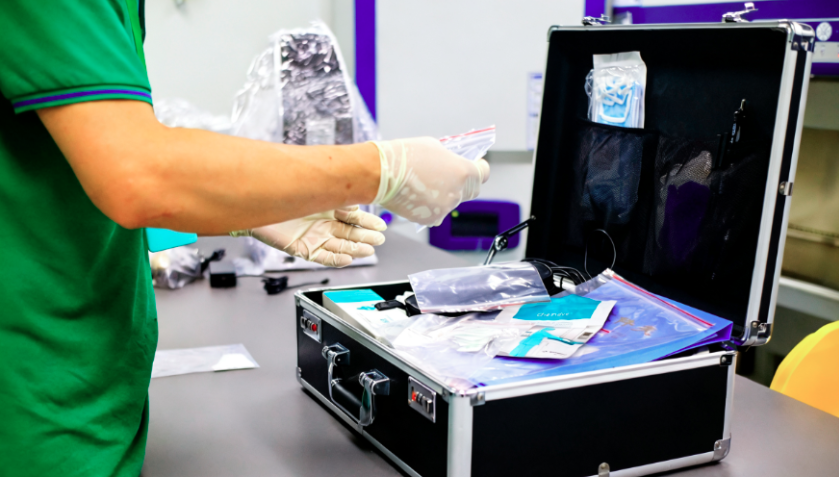
1.Development of “Standardized Disposal Kits”: Can we develop modular “emergency disinfection disposal kits” and standard operating procedures (SOPs) for different scenarios such as airports, ports, and isolation sites, and conduct regular drills to ensure efficient activation at any time?
2.Data linkage and intelligent early warning: Can we intelligently associate entry flight passenger health declaration information, port quarantine information with environmental disinfection needs to realize automatic early warning of high-risk flights/vehicles and advance deployment of disinfection resources?
3.Professionalization of practitioners: Include cleaning staff at ports and transportation hubs in the management of “key post personnel”, provide professional infection control training and certification to improve their risk awareness and operation standards.
Working at the pulse of global mobility, what you guard is no longer just the peace of a single room or hospital, but the biosecurity frontier of a city and a country. This responsibility is great, yet infinitely honorable.